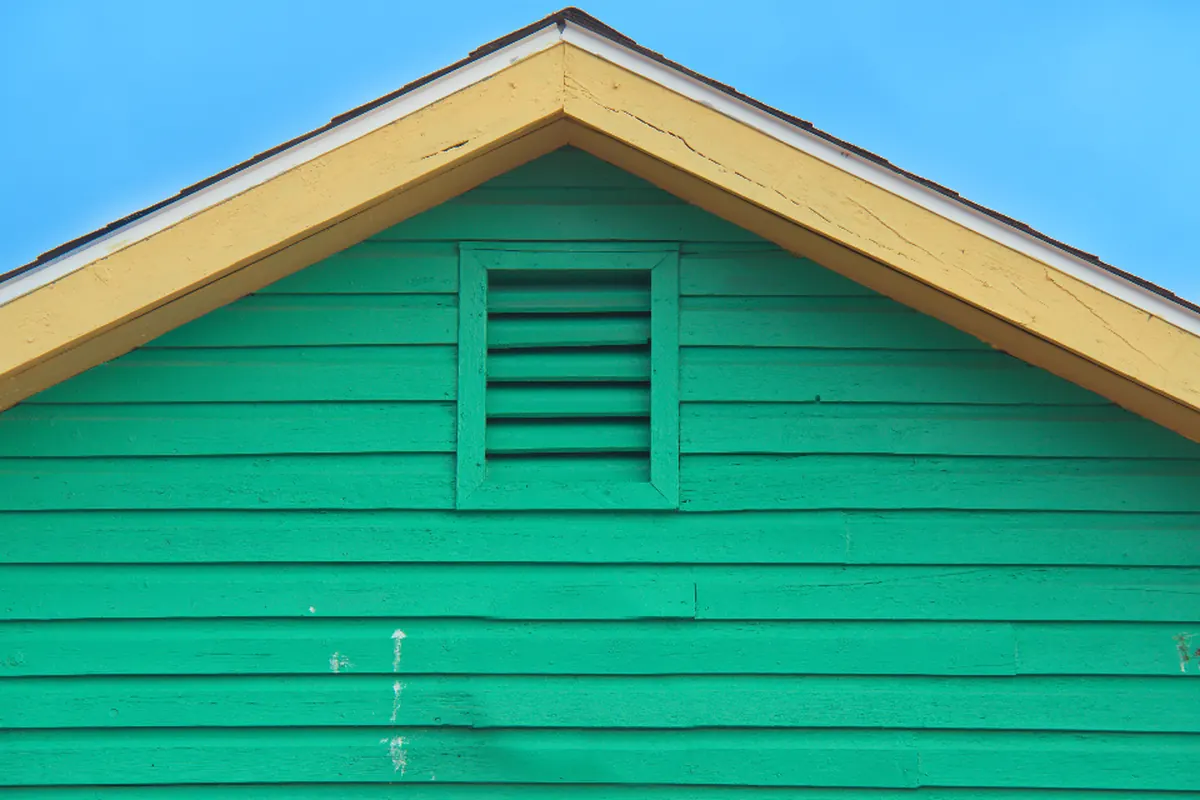
The matching problem
Hail cracks a dozen pieces of vinyl siding on the west wall. The insurer’s estimate replaces those dozen pieces. But the siding is 15 years old, faded by prairie sun, and the manufacturer stopped making that color years ago. New pieces will stand out. Do you get only the broken pieces, the whole wall, or the whole house? That is a matching dispute, and it is one of the most common disagreements in property claims.
This guide explains how matching questions arise, how policies and regulators tend to approach them, and how to document a matching issue so it can be fairly evaluated, including in appraisal.
Why matching is hard
- Fading and weathering. Even an identical product looks different next to material that has weathered for years.
- Discontinued products. Siding profiles, shingle colors, and flooring lines change frequently.
- Dye lots and batches. New material from the same product line can vary slightly.
- Continuous surfaces. Flooring that runs through several rooms, or siding that wraps a corner, has no natural break.
What the policy says, and what it does not
Most homeowners policies promise to pay to repair or replace damaged property with material of “like kind and quality.” Few policies address matching directly, and some include language that limits payment to the damaged portion only. Insurers and policyholders read those phrases differently, and the outcome can turn on the exact wording. Some states address matching in claim-handling regulations; whether and how North Dakota’s rules apply to your situation is a question for a North Dakota attorney or the North Dakota Insurance Department.
What this means in practice: read your policy for any matching or “cosmetic” language, and do not assume either the most generous or the most restrictive reading.
Siding
Common positions
Insurers often start by replacing only damaged pieces. Policyholders often argue that a reasonable match requires replacing the full elevation, or every elevation that is visible together. Somewhere in between, many disputes settle on replacing the damaged elevation and whatever is needed to reach a natural break, such as a corner or a change in material.
What to document
- Every elevation, photographed straight on and at an angle.
- The manufacturer, product line, profile, and color, from a label or a removed piece.
- Written confirmation from a supplier that the product is discontinued, if it is.
- A sample new piece held against the existing siding, photographed in daylight.
- Natural breaks such as corners, windows, and trim lines.
Shingles
When part of a roof is damaged, the question is whether the remaining slopes need replacement too. Arguments for full replacement include a discontinued shingle, a visible color mismatch, or the difficulty of tying new shingles into brittle old ones without causing more damage. Arguments against include slopes that are not visible together and an available, close match.
- Bring a shingle sample to a supplier and ask for a written identification and availability statement.
- Photograph the roof from the street and neighboring yards to show what is visible together.
- Have a contractor document whether existing shingles are brittle enough to tear during repair.
Flooring
Flooring disputes typically involve water losses. Hardwood, laminate, luxury vinyl plank, and tile often run continuously through kitchens, halls, and living rooms with no threshold. Replacing only the wet area can leave a visible seam or a product that no longer locks into the old one.
- Sketch the floor plan and mark where the flooring runs without a break.
- Pull a spare plank or tile, if you have one, and check for an available match.
- Get a flooring installer’s written opinion on whether a partial repair is feasible.
Discontinued products
When a product is discontinued, the conversation changes. If no reasonable match exists, it is harder to argue that replacing only the damaged pieces restores like kind and quality. Insurers sometimes propose a “closest available” product. Evaluate that proposal on color, profile, texture, and exposure, side by side, in natural light.
Some practical steps:
- Ask the insurer what product it priced and where it can be bought.
- Request a physical sample before agreeing it matches.
- Keep written statements from suppliers about availability.
- Photograph the sample against the existing material from normal viewing distance.
An illustrative example
With purely illustrative numbers: an estimate replaces 200 square feet of damaged siding for $2,400. The siding is discontinued, and the damaged west wall is 600 square feet. Replacing the full wall might cost $7,200, and replacing every elevation might cost $24,000. An appraisal panel weighing reasonable match might land on any of those, or somewhere in between, based on the policy, photos, and supplier evidence. No honest appraiser can tell you in advance which.
North Dakota considerations
Intense summer sun, hail, and deep winter cold all speed up weathering on North Dakota siding and roofing, which makes mismatches more visible. Supply chains in smaller towns can also limit what is available locally, so ask suppliers in larger markets like Fargo, Bismarck, or Minot before concluding a product is gone.
If your dispute is about how much matching work is needed, North Dakota Insurance Appraiser can review the estimate and evidence and represent you in appraisal if your policy allows it. We are not a law firm or public adjuster, and we cannot promise an outcome. For definitions of terms like matching and like kind and quality, see our appraisal terms A to Z.