Winter is its own claim season
Stretches of below-zero temperatures, heavy snow and sudden thaws are normal here. The March 1966 blizzard is still a benchmark for how hard winter can hit the state. Most winter claims are less dramatic, but they share a theme: the damage often starts out of sight, inside walls, above ceilings or under a blanket of snow, and the estimate written in January may not capture what is found in April.
Frozen pipes
Pipes in exterior walls, crawlspaces, garages and unheated additions can freeze and split during a cold snap, then release water when they thaw. Many policies cover sudden water damage from freezing but may exclude it if the building was vacant or unheated and reasonable care wasn’t taken to maintain heat or drain the system. That is a coverage issue. Once the loss is covered, the estimate should include opening walls, drying in cold conditions, replacing insulation and finishes, and plumbing repair.
Ice dams
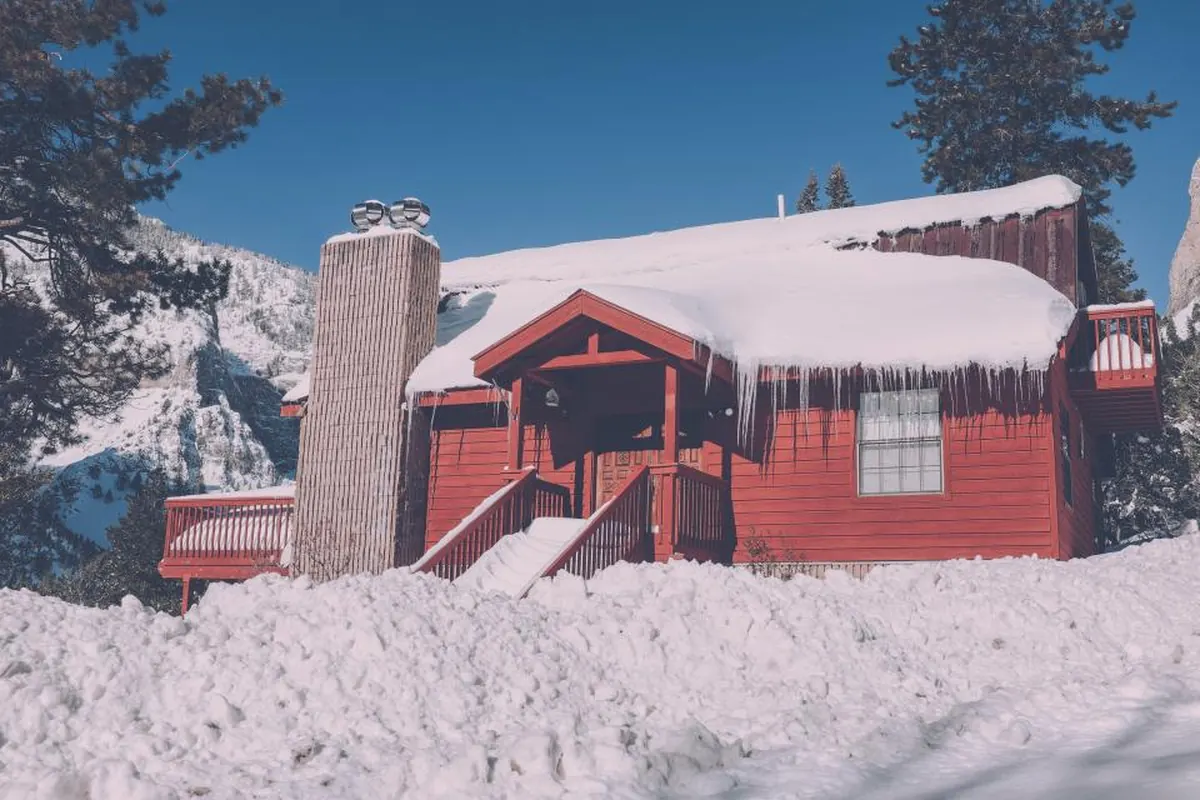
When heat escapes into the attic, snow on the roof melts, runs down and refreezes at the colder eaves. The ridge of ice traps more meltwater, which backs up under shingles and leaks into soffits, walls and ceilings. Ice dam claims often get disputed over:
- How far the water went. Leaks can run down inside exterior walls and show up on lower floors or in the basement.
- Roof repairs. Shingles lifted by ice, damaged gutters and bent drip edge, plus the ice and water shield that should be installed when that section is repaired.
- Ice removal. Steam removal of ice to stop active leaks may be treated as reasonable mitigation, depending on the policy.
- Insulation. Wet attic insulation loses its value and may need replacement.
Snow load and roof collapse
Heavy, wet snow and drifting can overload roofs, particularly low-slope commercial roofs, older farm buildings, pole barns and garages. Damage ranges from cracked trusses and sagging purlins to full collapse. Weight of ice and snow is a named peril on many policies, though some limit coverage for certain structures. For these claims we document deflection, broken members, connection failures and the condition of the building envelope. Engineering input is often needed, and the repair estimate should include shoring, snow removal for safe access, and rebuilding to current code and snow-load design.
Repair timing in winter
Some work can’t wait for spring, and some can’t reasonably be done in deep cold. Heating and enclosing work areas, temporary roofing, and higher labor costs for cold-weather work are real expenses. A winter estimate that assumes summer conditions can understate the loss. North Dakota Insurance Appraiser prices repairs for when and how they will actually be done.
What we do
We review the policy for freeze, weight-of-snow and vacancy provisions; inspect the building, attic and interior; and prepare a complete estimate. If appraisal is demanded, we serve as your appraiser and present each disputed item with photos and measurements.
Documentation that helps
- Photos of ice dams, icicles, roof snow depth and interior leaks with dates
- Thermostat or heating records if heat maintenance may be questioned
- Plumber, ice removal and snow removal invoices
- Any engineer’s report on structural damage
What appraisal can’t decide
The panel values the loss. Whether the damage is excluded as wear, maintenance, vacancy or repeated leakage is a coverage matter. If coverage is denied, talk to a North Dakota attorney. We are not a law firm or a public adjuster, and outcomes aren’t guaranteed.
Frequently asked questions
Are ice dam leaks covered?
Many policies cover sudden water damage from ice dams, though wording varies and some exclude certain repairs. We value the loss; coverage depends on your policy.
My garage roof collapsed under snow. Can you help?
Yes. We document the structural failure, coordinate with an engineer if needed, and estimate the full rebuild to current code.
Can a repair estimate account for winter conditions?
It should. Temporary enclosures, heat and cold-weather labor are real costs, and we include them when work must proceed in winter.