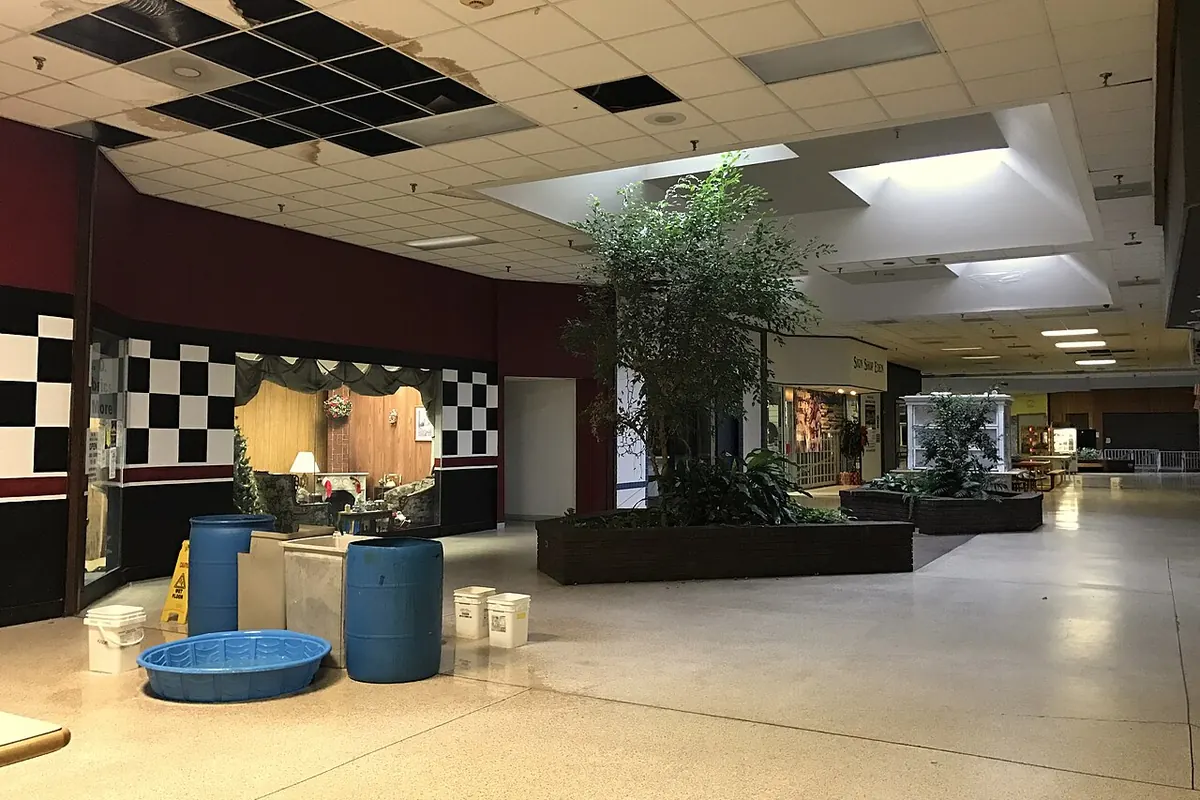
Water losses in North Dakota homes and buildings
Water claims are among the most common property claims, and in a state with deep basements and long winters they can be especially costly. A supply line under a sink, a failed water heater, a washing machine hose or a pipe that froze in an exterior wall can soak a finished lower level in hours. The dispute is usually not whether something leaked; it is how far the water went and what it takes to dry and rebuild properly.
Flood is different, and it matters
Standard homeowner and most commercial property policies generally exclude flood, meaning surface water from overflowing rivers, overland flow and similar events. North Dakota knows flood well, from the 1997 Red River flood that devastated Grand Forks to the 2009 Red River flood and the 2011 Souris River flood in Minot. Flood losses are typically handled under separate flood policies, such as those written through the National Flood Insurance Program or private flood carriers, with their own rules. We focus on water losses under property policies; if your claim is a flood claim, read the flood policy carefully and seek guidance specific to it.
Sewer and drain backup and sump pump overflow are also commonly excluded unless you purchased an endorsement, which often carries its own sublimit. Check your declarations page.
Where water estimates fall short
- Moisture mapping. Water wicks up drywall and travels under flooring and behind cabinets. Scopes based on visible staining often miss wet materials.
- Mitigation invoices. Drying equipment, monitoring and antimicrobial work are sometimes cut back after the fact without clear justification.
- Flooring continuity. When laminate, hardwood or carpet runs continuously through several rooms, replacing only the wet section may leave an obvious mismatch.
- Cabinets and countertops. Base cabinets swell, and replacing them can mean removing and resetting countertops that may not survive the process.
- Insulation and vapor barriers. Basement walls often have insulation and a vapor retarder behind the drywall that must be replaced to current practice.
- Contents manipulation. Moving, storing and resetting furniture and belongings so the work can be done.
What North Dakota Insurance Appraiser does
We review the cause-of-loss documentation, the mitigation company’s moisture logs and the carrier’s estimate. We inspect the property, note material types, room-to-room continuity and remaining damage, and build an estimate covering tear-out, drying where it is still disputed, and full reconstruction. If appraisal is demanded, we serve as your appraiser and work through each disputed line with the other side.
Documentation that helps
- The failed part, such as the burst pipe section or supply line, kept dry and labeled
- Photos and video of standing water and wet materials before tear-out
- The mitigation company’s moisture readings, drying logs and invoice
- Plumber’s invoice describing the cause
- The carrier’s estimate and correspondence
What appraisal can’t decide
Appraisal sets the amount of a covered loss. Whether the water source is covered, whether a flood or backup exclusion applies, and whether repeated seepage is excluded are coverage questions. If the carrier denies coverage, you may want to talk to a North Dakota attorney. We are not a law firm or a public adjuster, and we do not promise results.
Frequently asked questions
Is basement water from heavy rain covered?
Often not under a standard policy, because surface water and flood are typically excluded. A sump or backup endorsement may apply. Your policy wording controls.
The carrier cut my mitigation bill. Can appraisal address that?
If the dispute is about the reasonable cost of covered mitigation work, it may be appropriate for appraisal. We review the logs and invoice first.
Do you handle flood insurance claims?
Flood policies have their own rules and dispute procedures. Our appraisal work focuses on water losses under property policies, not separate flood policies.